Understanding Luxury Brand Marketing
Luxury brand marketing represents a specialized approach to promoting high-end products and services to affluent consumers who value exclusivity, quality, and prestige above price considerations.
But most importantly, Luxury brands pursue a deeper connection with their customers. Each person is part of a community that represents their social status, which itself, is an indirect way of marketing for almost all luxury brands.
Unlike traditional marketing that focuses on broad appeal and competitive pricing, luxury marketing and branding centers on creating desire, maintaining exclusivity, and building emotional connections with discerning customers. They never fixate on trying to appeal to EVERYONE. Just their exact niche audience.
At its core, what is luxury marketing comes down to selling dreams, status, and experiences rather than just products. Luxury brands target high-net-worth individuals and aspirational consumers who are willing to pay premium prices for exceptional quality, craftsmanship, and the social status that comes with ownership and also the respect that they receive from others after achieving such product or service.
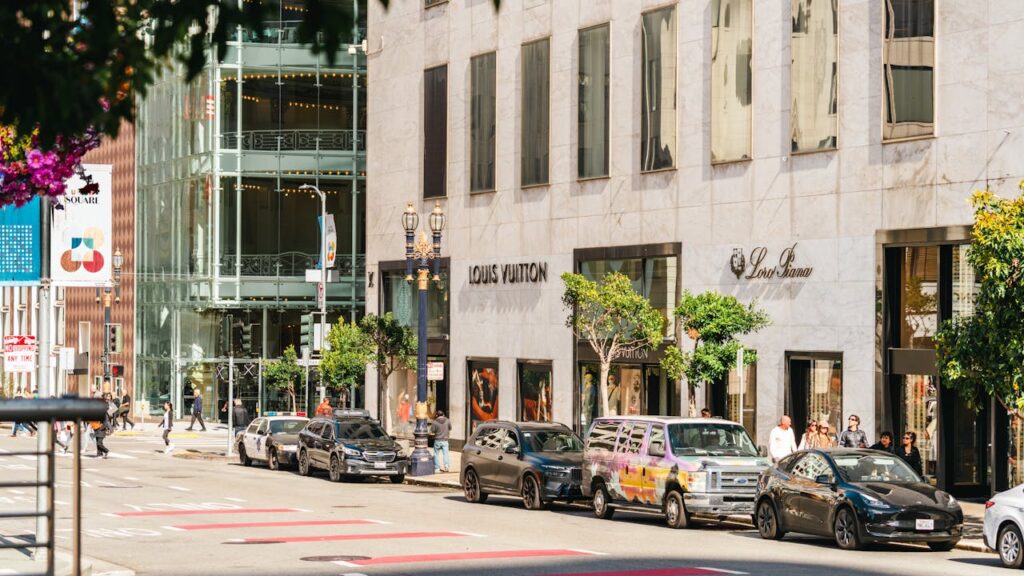
How Luxury Marketing Differs From Traditional Marketing?
The fundamental difference between luxury and regular marketing is in their approach to scarcity versus accessibility. Notice how people need to wait months before they put their hands on a Birkin bag or the endless waiting lists. While traditional marketing seeks to reach the widest possible audience and emphasize value for money, luxury marketing deliberately creates exclusivity and focuses on a select group of consumers.
Now let’s take a look at 4 ways Luxury marketing is done differently:
- 1: Target Audience Approach: Traditional marketing prepares a wide net to capture mass market appeal, or generally a wider audience. Luxury marketing, however, specifically targets high-net-worth individuals and those who aspire to luxury ownership in a specific status. This selective approach allows brands to craft highly personalized messages that resonate with sophisticated consumers who expect exceptional service and attention to detail.
- 2: Pricing Strategy Regular marketing usually revolves around competitive pricing, discounts, and value propositions. There is less scarcity and more availability. Luxury marketing takes the opposite approach, positioning high prices as indicators of superior quality and exclusivity. Price reductions are rare and carefully managed to avoid diluting brand prestige.
Interestingly, the price jump of luxury products in much higher (sometimes 2-3 times in a year) to make sure they narrow down their niche audience and still be unattainable for the common people.
- 3: Communication Style While traditional marketing aims to inform and persuade through direct selling messages, luxury marketing focuses on storytelling, heritage, and emotional connection. The goal is to educate rather than sell, creating desire through aspirational content that builds brand mystique. The visuals are rarely too flashy or cheap looking and they tend to stay away from the current trends.
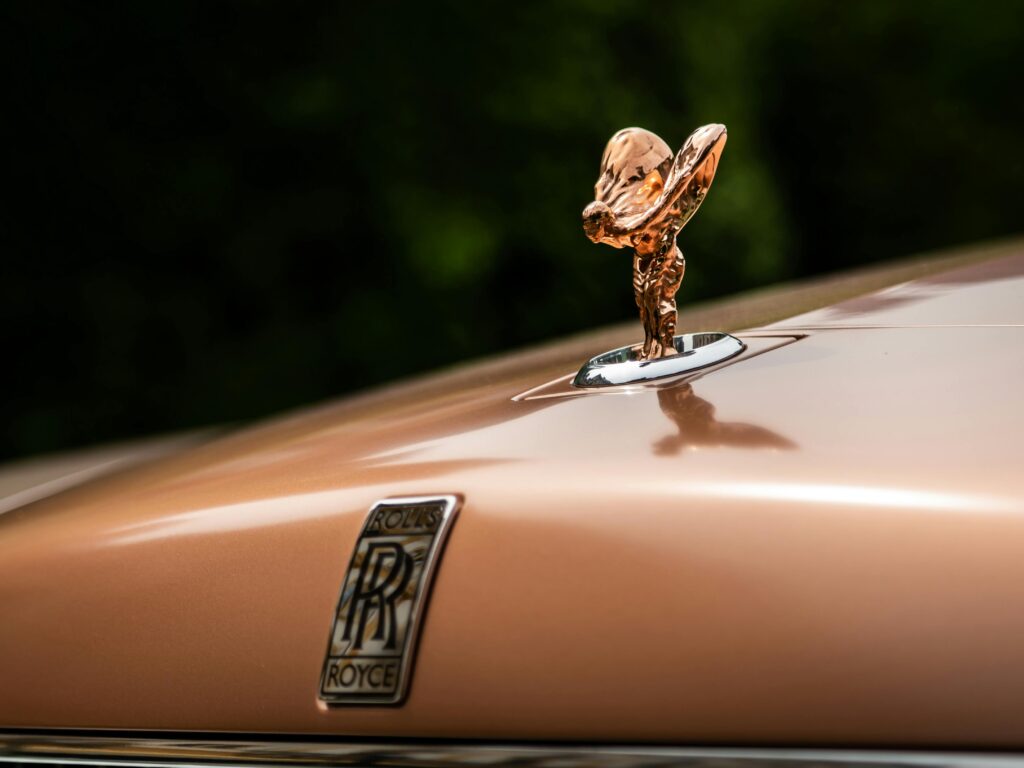
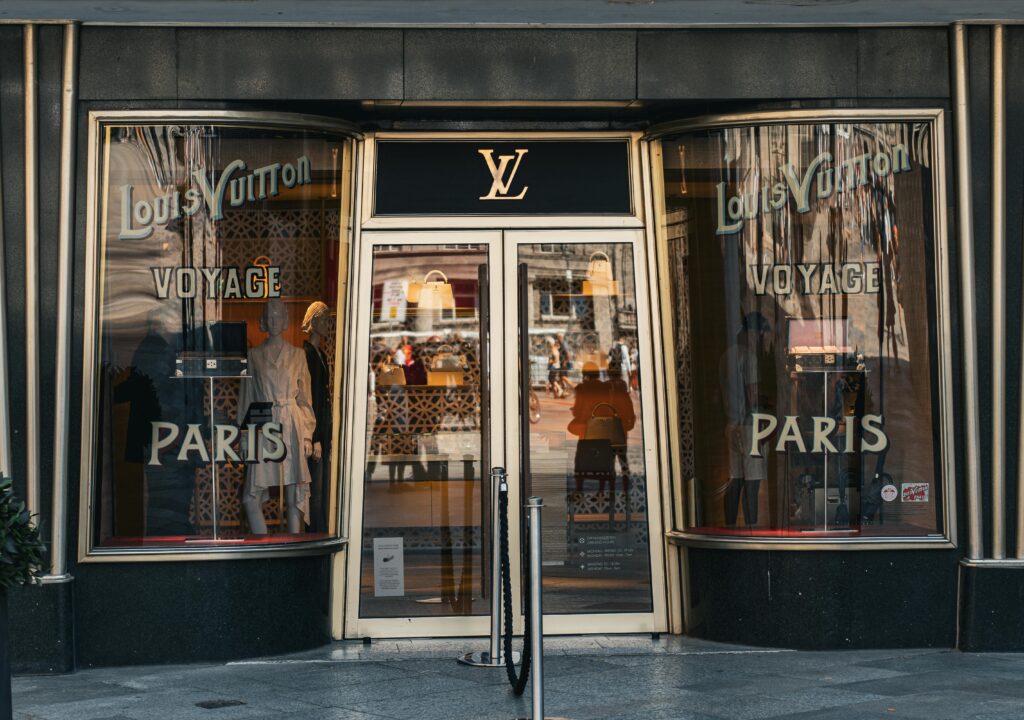
- 4: Distribution Channels Luxury brands carefully control their distribution through exclusive boutiques, high-end department stores, and premium online platforms. This selective availability maintains the sense of exclusivity that luxury consumers expect. Even the advertisement channels are carefully chosen to avoid creating a false sense of availability through their current customers.
4 Examples of Luxury Marketing Excellence
Not all luxury brands are product based. The power of Luxury marketing is to make anything feel like premium, even a short term transaction like Real Estate firms (Which you only might visit them once or twice in your life) or a personal experience like wellness centers.
The key point between all of them is to be unforgettable and unique. All of the services and experiences mention below, create something that the customer is going to remember and cherish for a long time. It might have been just a meal in a restaurant, but they are going to talk about it with everyone they know and feel inclusive to be a part of that experience. Now lets dive into each one in more detail:
High-End Jewelry Stores
Luxury jewelry and accessory shops like Tiffany & Co. and Cartier exemplify effective luxury marketing through their emphasis on heritage, craftsmanship, and emotional significance.
You are not just buying the value of your money in gold or precious stones, you are buying the distinguished design that’s recognizable by everyone else. Their marketing focuses on life moments and celebrations rather than product features, creating stories that justify premium pricing through emotional value.
Luxury Real Estate Firms
Premium real estate agencies market properties as lifestyle choices rather than mere transactions. You are not just buying a house to resell in the future with them, you are buying your future home for your family.
They emphasize privacy, exclusivity, and personalized service, often creating custom marketing materials for each property that tell a unique story about the lifestyle it represents. Since you are going to stay with the end product for a longer time (living in the house!) it is important that every step leading into the purchase feels like a great experience too.
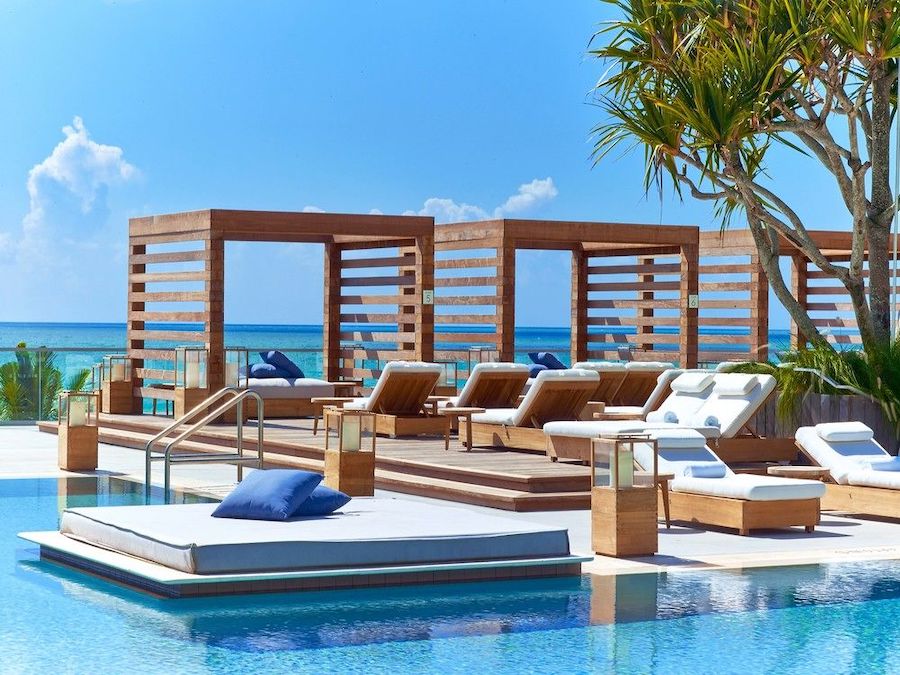
Upscale Spas and Wellness Centers
Spas are one of those businesses that usually neglect their marketing and customer journey. On the other hand good luxury spa marketing emphasizes transformation, renewal, and escape from ordinary life. Even the smell of the building or little details in the rooms matters a lot.
These businesses, if done correctly, can create marketing campaigns around the promise of exclusive experiences, personalized treatments, and access to premium facilities that justify their higher prices. Because at the end, every second of your time spending there should be worth it. even the waiting rooms are designed to make sure your experience started from the second you stepped inside the facility.
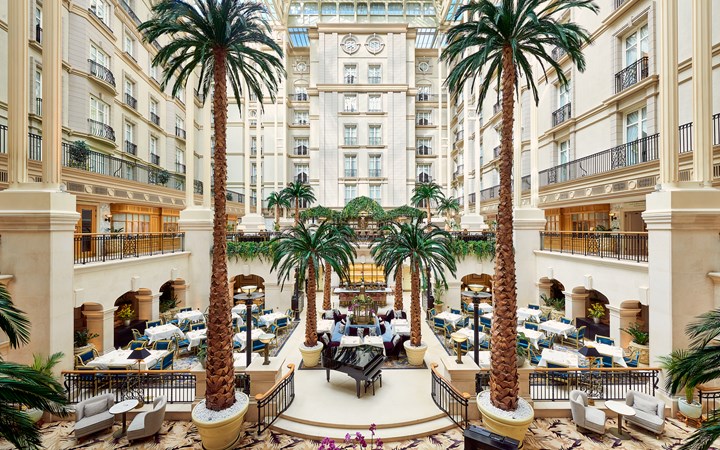
Fine Dining Establishments
Again, another short term experience which has a very lasting impact on their customers. Michelin-starred restaurants and exclusive dining venues market themselves through storytelling about their chefs, ingredients, and dining experiences. Also the choice of internal decoration and even cutlery plays an important role on how they are perceived through the eyes of their customers.
They create waiting lists and reservation systems that reinforce exclusivity while building anticipation and desire. People don’t go to fine dinning restaurants to stay full. They go there to be a part of an “Experience”

The Importance of Luxury Marketing in 2025
Understanding what is luxury brand marketing becomes crucial as the global luxury market continues to expand, particularly in emerging markets, which is expected to see 15-20% growth in luxury consumption. Brands that master luxury marketing principles position themselves to capture the growing affluent consumer segment worldwide.
But that does not equal raising prices or just focus on scarcity. Luxury marketing is a very strategic approach done with extrema precision, otherwise it might became a failure too soon if the brand or the targeted audience is not ready for it.
Generally, the luxury marketing landscape shows that successful luxury brands must balance tradition with innovation, maintaining their heritage while embracing new technologies and changing consumer preferences. Companies that fail to adapt their luxury marketing strategies risk losing relevance with increasingly sophisticated luxury consumers.
At the end, here are 3 take aways we suggest you from PlanYu to remember if you want to approach a luxury path in your marketing:
Build Long-Term Brand Value: Luxury marketing creates sustainable competitive advantages that extend far beyond individual product sales. Your relationship with your customer doesn’t end when the purchase is done, it’s just has been started. By building strong emotional connections and brand loyalty, luxury companies develop valuable assets that appreciate over time and resist competitive pressures.
Commanding Premium Pricing: Effective luxury marketing justifies higher prices through perceived value, exclusivity, and brand prestige while maintaining their quality in product and services. This pricing power provides luxury brands with higher profit margins and greater financial stability compared to mass market competitors.
Creating Barrier to Entry: Strong luxury brands built through effective marketing create significant barriers that prevent competitors from easily entering their market space. They became an established household name in the wealthy communities that ordinary people desire to be a part of. The time, investment, and expertise required to build luxury brand equity protect established players from new competition.
So now, are you a luxury brand that is lost in their marketing approach or do you even want to become one?
If your answer is yes, you can book a free call with us and see how we can guide you to get exactly where you want to be in your marketplace!